
Top 18 Things to Do in Santorini (Insider Guide to the Spectacular Greek Island)
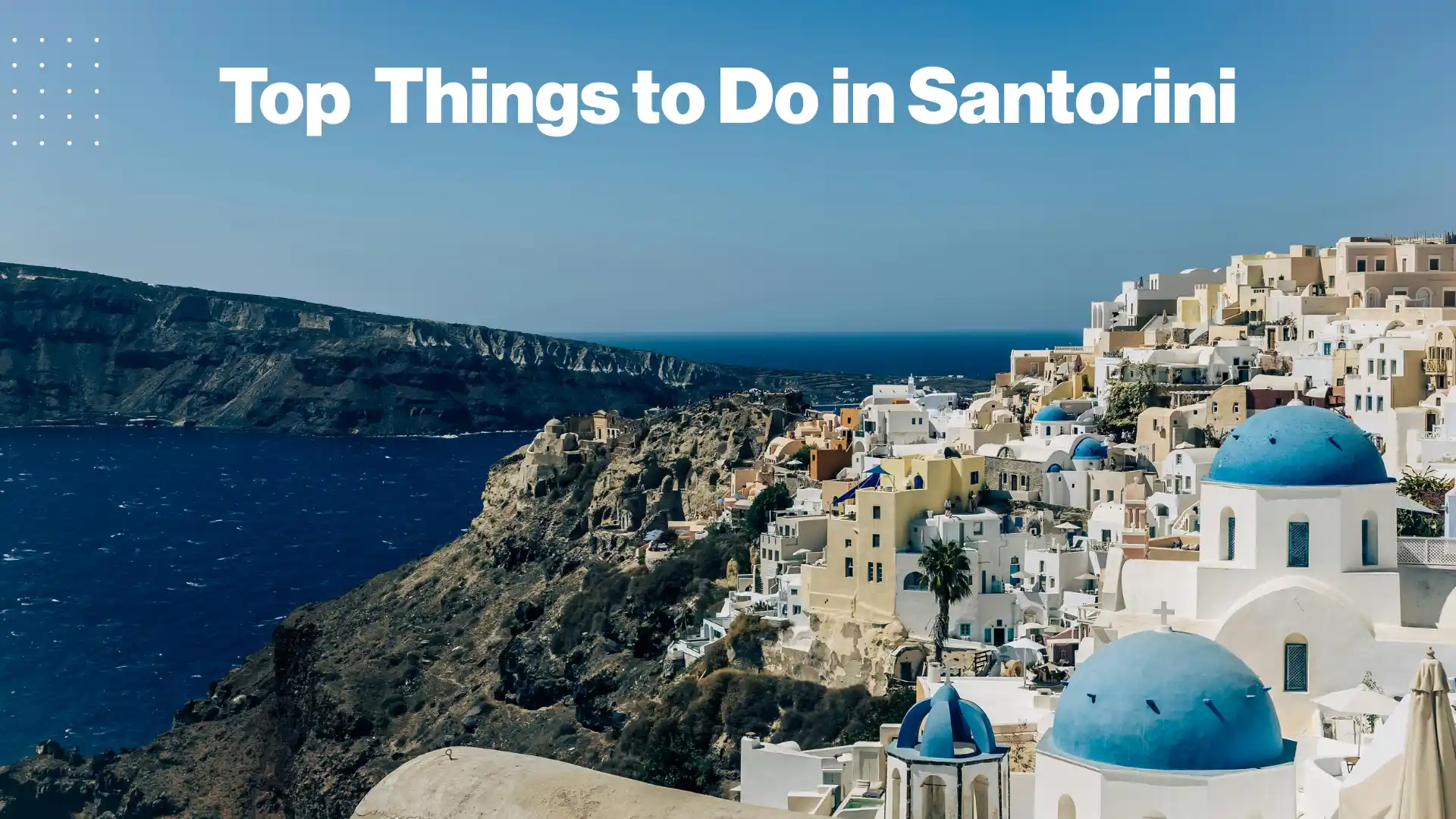
Watching a spectacular sunset from the picturesque village of Oia, exploring the Akrotiri archaeological ruins, and taking a volcano and hot spring boat tour are a few of the top things to do during your time in Santorini. Truly spectacular and dramatically perched on the rim of an ancient volcanic caldera, the iconic Greek island offers a sensory overload of whitewashed villages, cobalt-blue domed churches, and crimson sunsets melting into the stunning Aegean sea.
Santorini's charm, beauty, and magnificence make it almost a mythical land, luring tourists from afar. The Greek island is located in the southern Aegean Sea, roughly 200 km southeast of the Greek mainland. People who've taken a Santorini tour have reckoned that it actually looks even better in person than in photographs. Go through the following Santorini guide to cover all the top attractions and ensure an unforgettable travel experience.
Table of Contents:
- Watch the Sunset from Oia
- Take a Volcano and Hot Springs Boat Tour
- Hike the trail from Fira to Oia
- Explore the Akrotiri Archaeological Ruins
- Wine Tasting on the Volcanic Terroir
- Visit Oia Village
- Explore Santorini's Hidden Villages
- Take a Day Trip to a Neighbouring Island
- Admire the island from a catamaran
- Soak in the views at Fira
- Hike around the active volcano
- Visit Santorini's museums
- Walk around the Pyrgos village
- Head to the Santorini beaches
- Go cliff-jumping at Ammoudi Bay
- Go scuba diving
- Go on a boat cruise
- Try local dishes: tomato fritters, fava & fresh seafood
1. Watch the Sunset from Oia
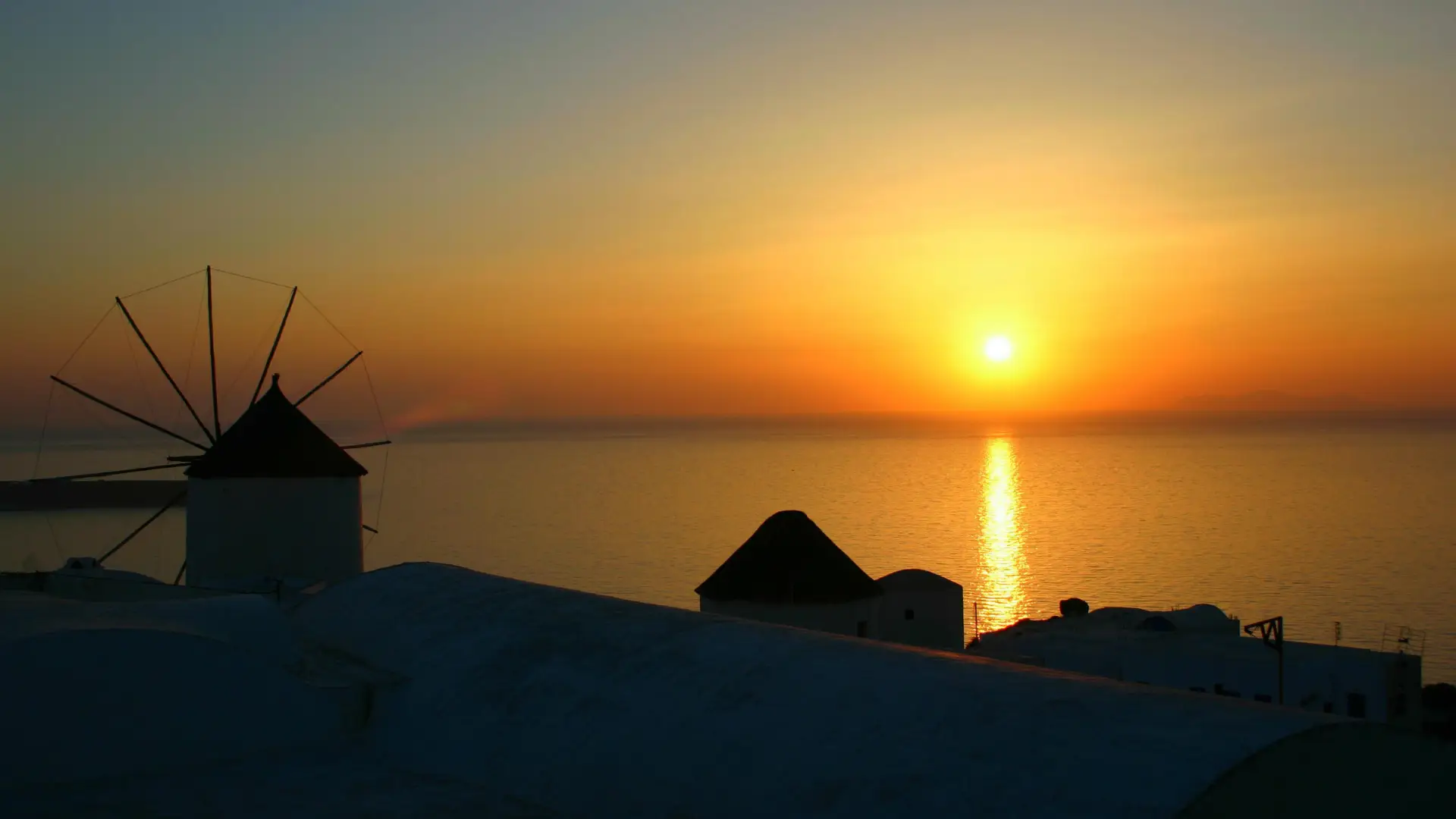
No Santorini visit is complete without the sunset from Oia. As the sun drops toward the caldera, the sky turns through shades of orange, rose, and deep violet reflected across the whitewashed buildings and the dark volcanic water below. The castle ruins offer the most iconic vantage point, but arrive at least 45 to 60 minutes early in peak season; crowds are enormous. Alternatives like the Imerovigli clifftop path or a rooftop terrace in Fira offer the same spectacle with far fewer elbows.
Insider tip: Book a sunset dinner at a caldera-view restaurant in Oia or Imerovigli for a more relaxed version of the same experience and a table that's already reserved.
2. Take a Volcano and Hot Springs Boat Tour
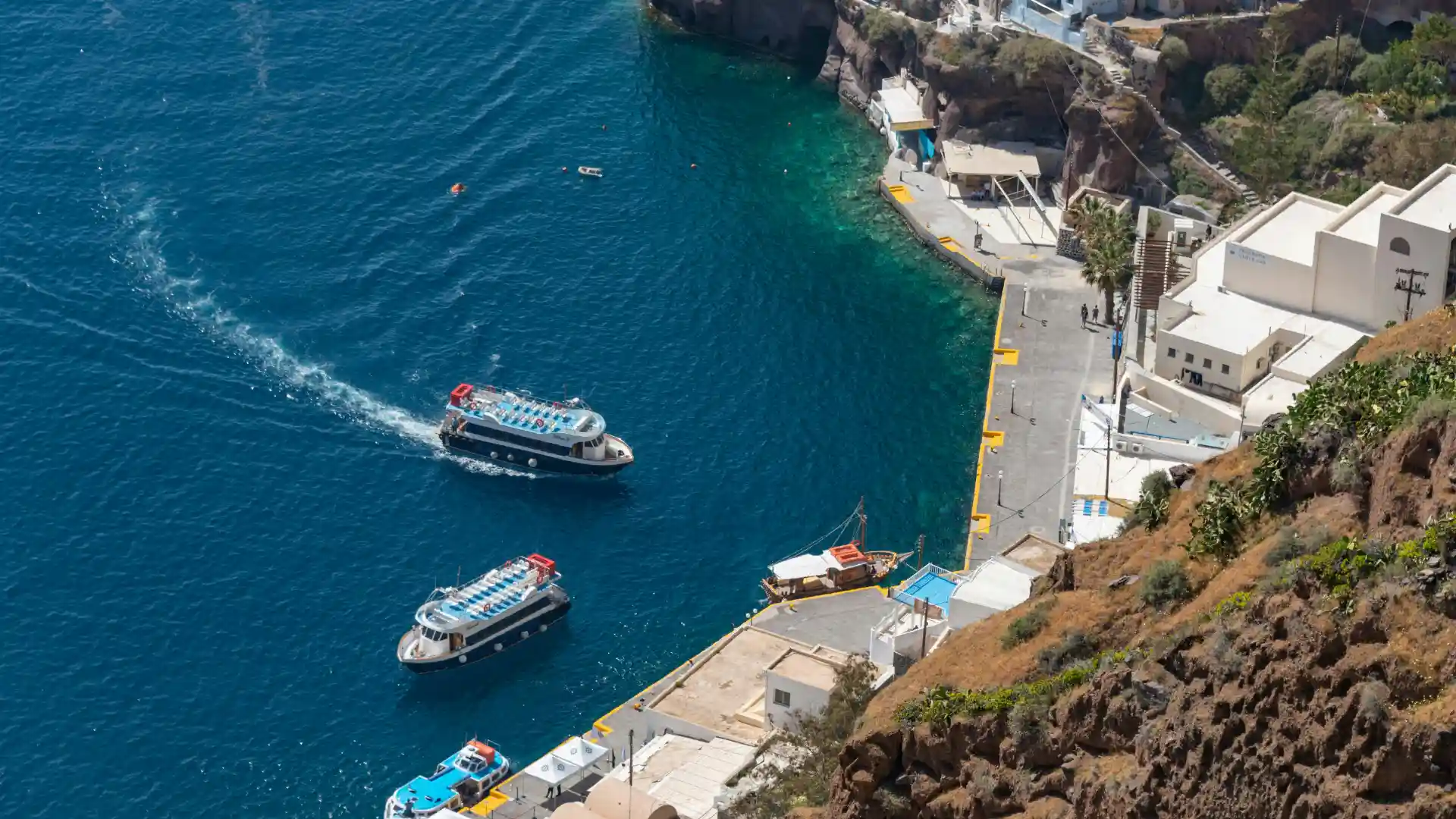
One of the most memorable things to do in Santorini is stepping onto an active volcano. The boat tour to Nea Kameni lets you hike to the crater rim across hardened black lava fields, with dramatic views back toward the island's clifftop villages. After the hike, the boat stops at the natural hot springs nearby, where warm, sulphur-rich water turns the sea a milky yellow-green. A swim here feels genuinely otherworldly.
Most tours combine the volcano and hot springs with stops at Red Beach and White Beach, and many offer sunset catamaran options. Book in advance as these sell out quickly in summer.
3. Hike from Fira to Oia
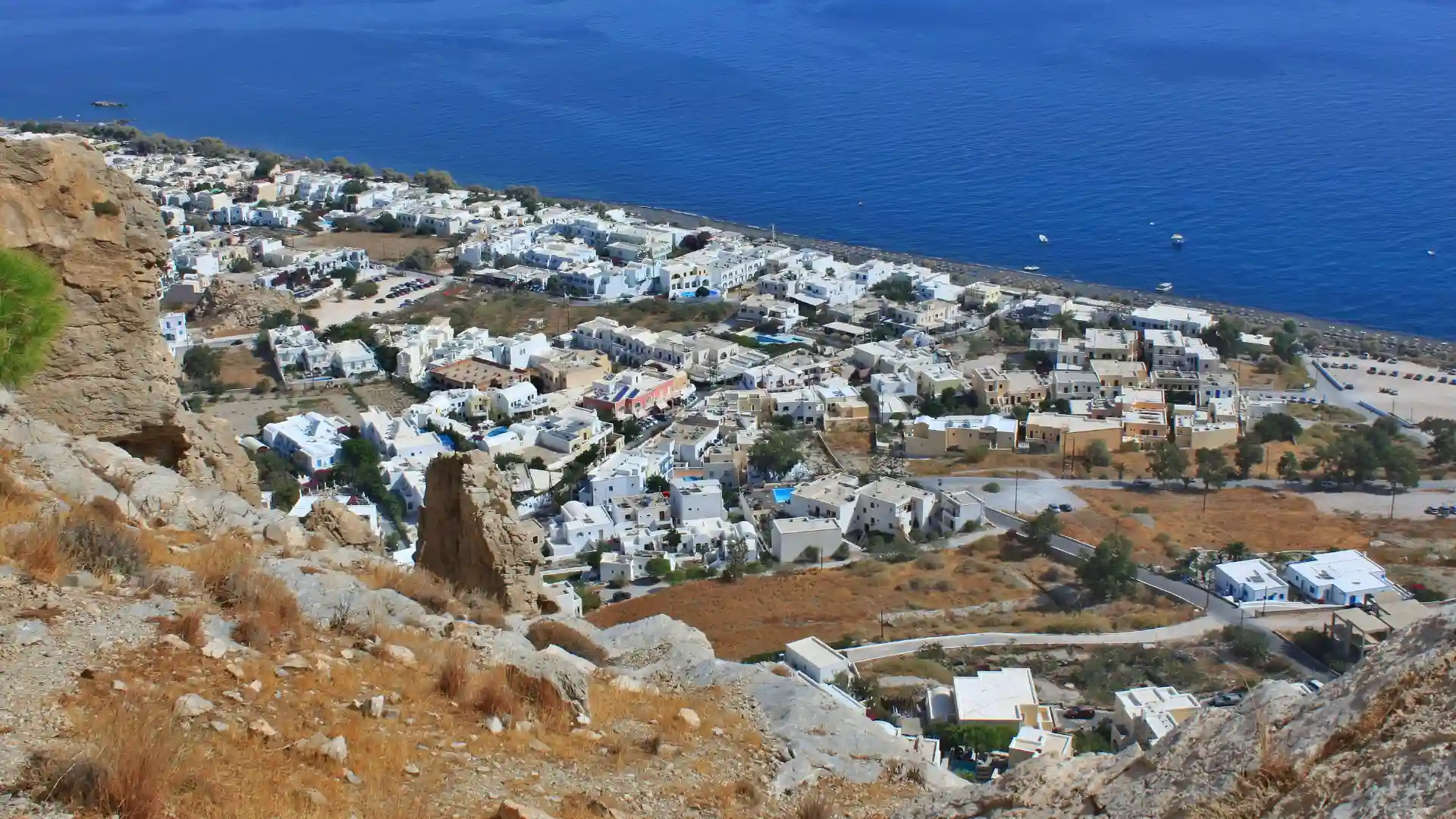
The Fira-to-Oia hike is Santorini's finest free experience. The 10 km trail follows the caldera rim through Firostefani and Imerovigli, offering uninterrupted views of the volcanic islands, deep blue Aegean, and iconic architecture. Duration is approximately 2 to 3 hours at a moderate pace. The trail is well-marked but includes uneven surfaces and moderate ascents.
Important tip: Start early in the morning (before 8 am in summer) to avoid the midday heat and to arrive in Oia in time for a long, relaxed exploration of the village before the day-tripper crowds arrive.
4. Explore the Akrotiri Archaeological Ruins
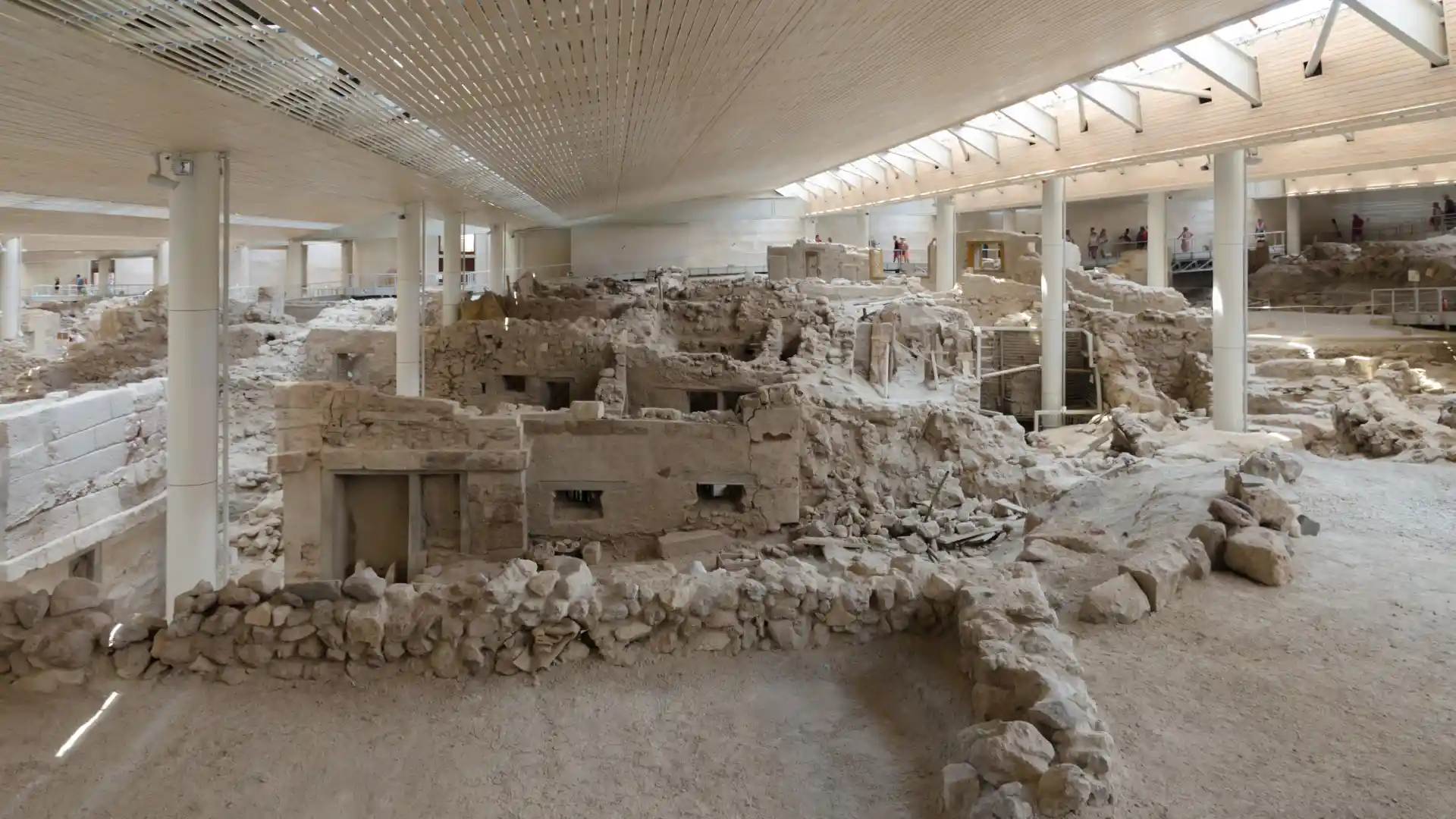
Often called the "Pompeii of the Aegean," Akrotiri is a remarkably preserved Bronze Age settlement buried under volcanic ash around 1600 BCE - centuries before Pompeii met its own fate. Multi-storey buildings, sophisticated drainage systems, and vivid frescoes (now housed in the National Archaeological Museum in Athens) reveal a civilisation of extraordinary complexity. The entire excavation site is covered and air-conditioned, making it an ideal activity on a hot afternoon.
Allow 1.5-2 hours. Combine with a visit to Red Beach, which is just a short drive away.
What Are the Best Things to Do in Santorini with Kids?
Santorini's romantic reputation doesn't mean it's off-limits for families. That's right - with the right planning, when you are travelling with your children, both you and the little ones will have an unforgettable experience exploring the beautiful Greek island.
Volcano & Hot Springs Boat Tour - Walk on a volcano, swim in hot springs, and cruise the caldera.
Akrotiri Archaeological Site - Ancient city ruins, preserved and easy to explore indoors.
Donkey Ride in Fira - Short, iconic ride up the cliff - fun and memorable.
Black Sand Beach Days (Perissa/Kamari) - Calm waters, sunbeds, and family-friendly beach time.
Day Trips to Milos or Paros - Easy ferry trips to scenic islands and hidden beaches.
Glass-Bottom Boat Tour - See underwater views without getting wet.
Family logistics tip: Base yourself in Fira, Kamari, or Perissa rather than Oia, for better road access, flatter terrain, and far more practical for navigating with children and luggage. Note that many caldera-view hotels in Oia and Imerovigli are adults-only.
5. Wine Tasting on the Volcanic Terroir
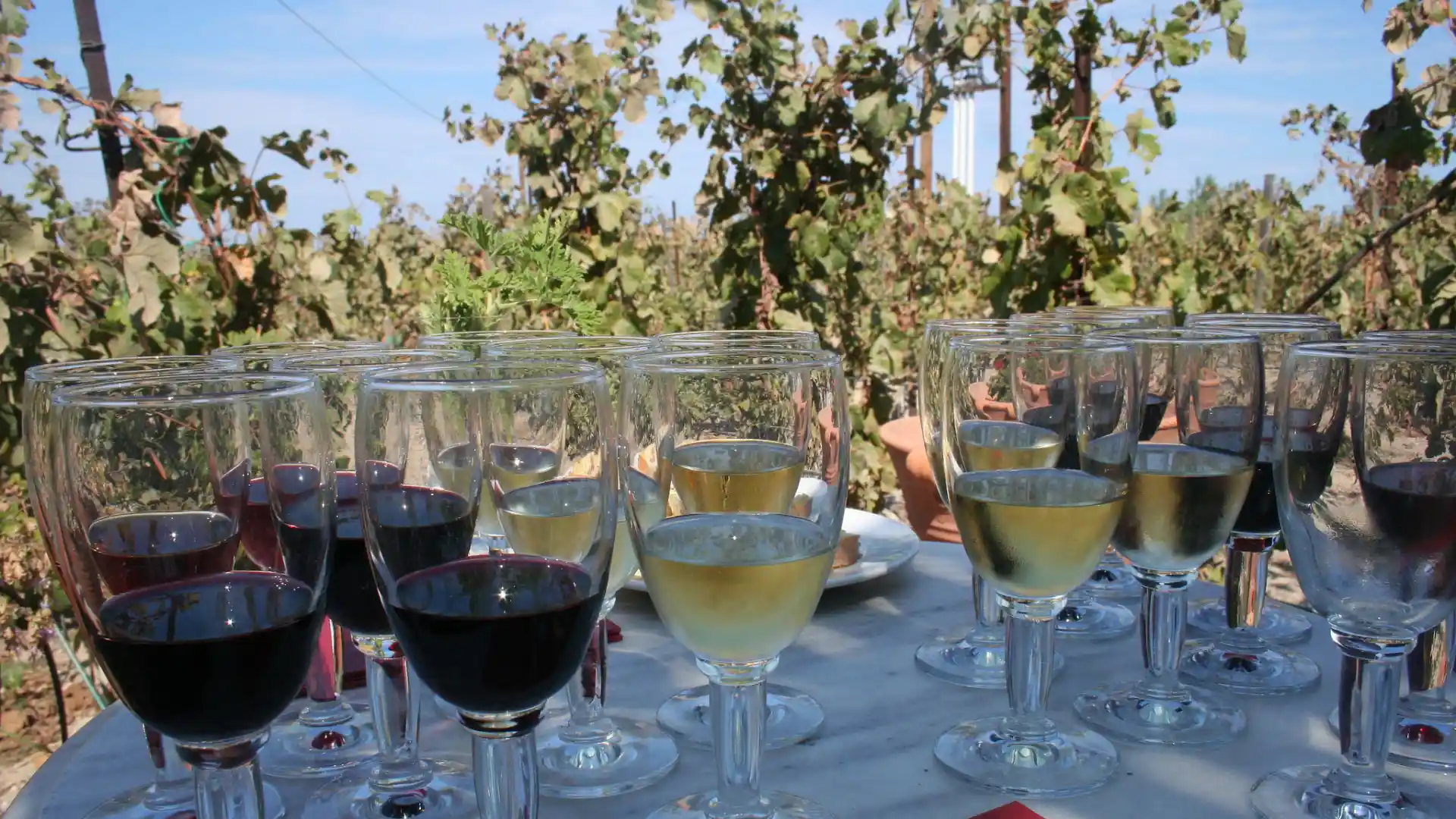
Santorini produces some of Greece's most celebrated wines, grown in a way found almost nowhere else on Earth. Vines are trained into low basket shapes (called kouloura) that protect the grapes from the fierce Aegean winds, drawing moisture from the volcanic soil and sea mist rather than rainfall. The result is the distinctive Assyrtiko grape - a bone-dry, mineral-rich white wine with remarkable depth and acidity.
Visit Santo Wines (spectacular caldera views, large tasting terrace) or the smaller, more intimate Domaine Sigalas or Gavalas Winery for a serious tasting experience. The island's signature Vinsanto - a rich, amber dessert wine made from sun-dried grapes -is an essential try. Most wineries offer guided tastings combined with caldera panoramas that rank among the best views on the island.
6. Visit Oia Village

Even beyond the sunset, Oia deserves a full half-day of exploration. The village is an architecture lover's dream - cascading white cubic houses, blue-domed churches, cave hotels carved into the caldera cliff, and narrow cobblestone lanes that reward wandering. Browse the high-quality art galleries and boutiques, explore the Byzantine castle ruins at the northern tip, and walk down the 300 steps to Amoudi Bay for lunch at a waterfront fish taverna.
When to visit Oia Village
Arrive in the morning (before 11 am) to experience the village before the day-tripper crowds arrive. By mid-afternoon in summer, the lanes are extremely congested.
7. Explore Santorini's Hidden Villages
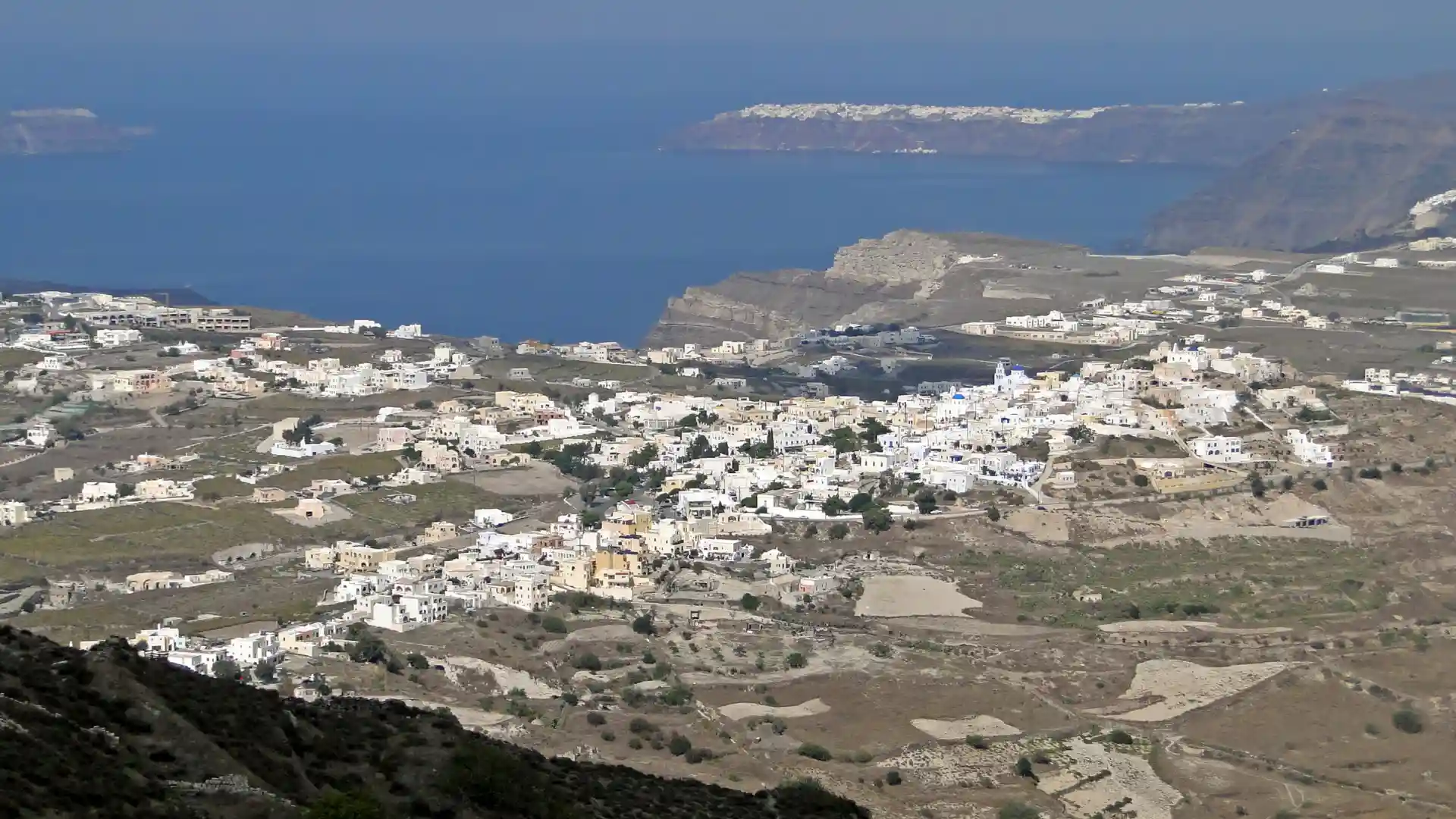
The Santorini that most visitors miss lies in the island's volcanic interior. Away from the caldera crowds, a handful of authentic villages offer a completely different - and genuinely rewarding side of the island.
Pyrgos is the highest village on Santorini, topped by a ruined Venetian castle that offers 360° views across the entire island and caldera. The medieval lanes are largely free of tourist shops, and a handful of excellent local tavernas make it a great lunch stop.
Emporio, in the south, is a partly preserved medieval settlement with defensive towers and labyrinthine alleys.
Megalochori is known for its traditional cave wine cellars and is one of the best places to taste local wine in a genuinely local setting.
A half-day hire car or ATV gives you full access to all three.
8. Take a Day Trip to a Neighbouring Island
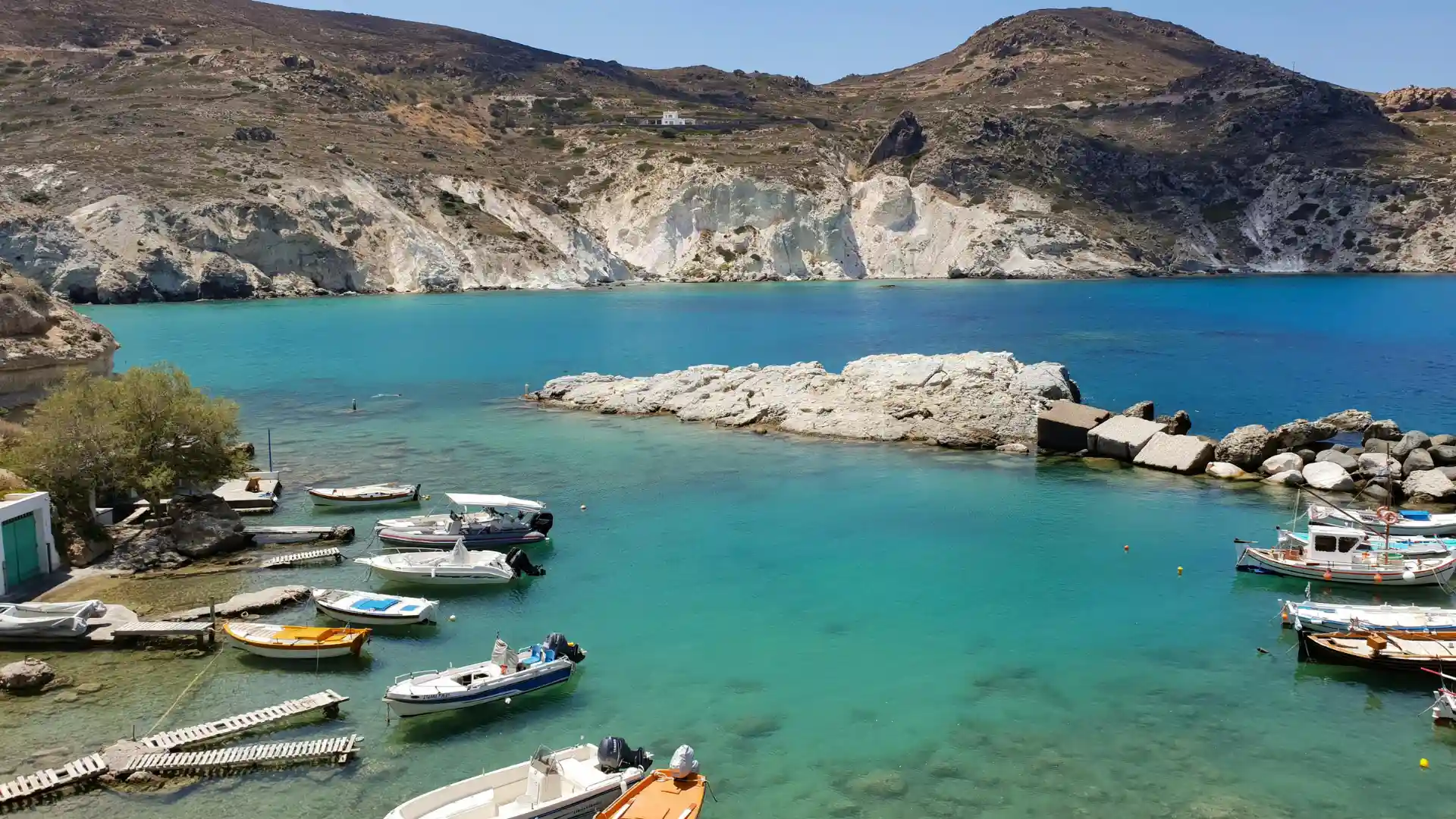
Santorini makes an excellent base for exploring the wider Cyclades. High-speed ferries connect the island to some of the region's finest destinations:
Milos (2.5 hours) - Famous for the Venus de Milo statue and its extraordinary coastline of sea caves, coloured volcanic rock, and isolated swimming coves. One of Greece's most spectacular islands.
Paros (1.5 hours) - Charming whitewashed villages, excellent beaches, and a relaxed pace. Naoussa, the fishing village in the north, is particularly lovely.
Naxos (1.5 hours) - The largest Cycladic island, with ancient ruins, mountain villages, and long sandy beaches unlike anything on Santorini.
Folegandros (1 hour) - One of the least-visited and most beautiful islands in the Cyclades. Tiny, clifftop, and magnificently unspoilt.
Book ferry tickets in advance during peak season - services fill up quickly on popular routes.
Admire the island from a catamaran
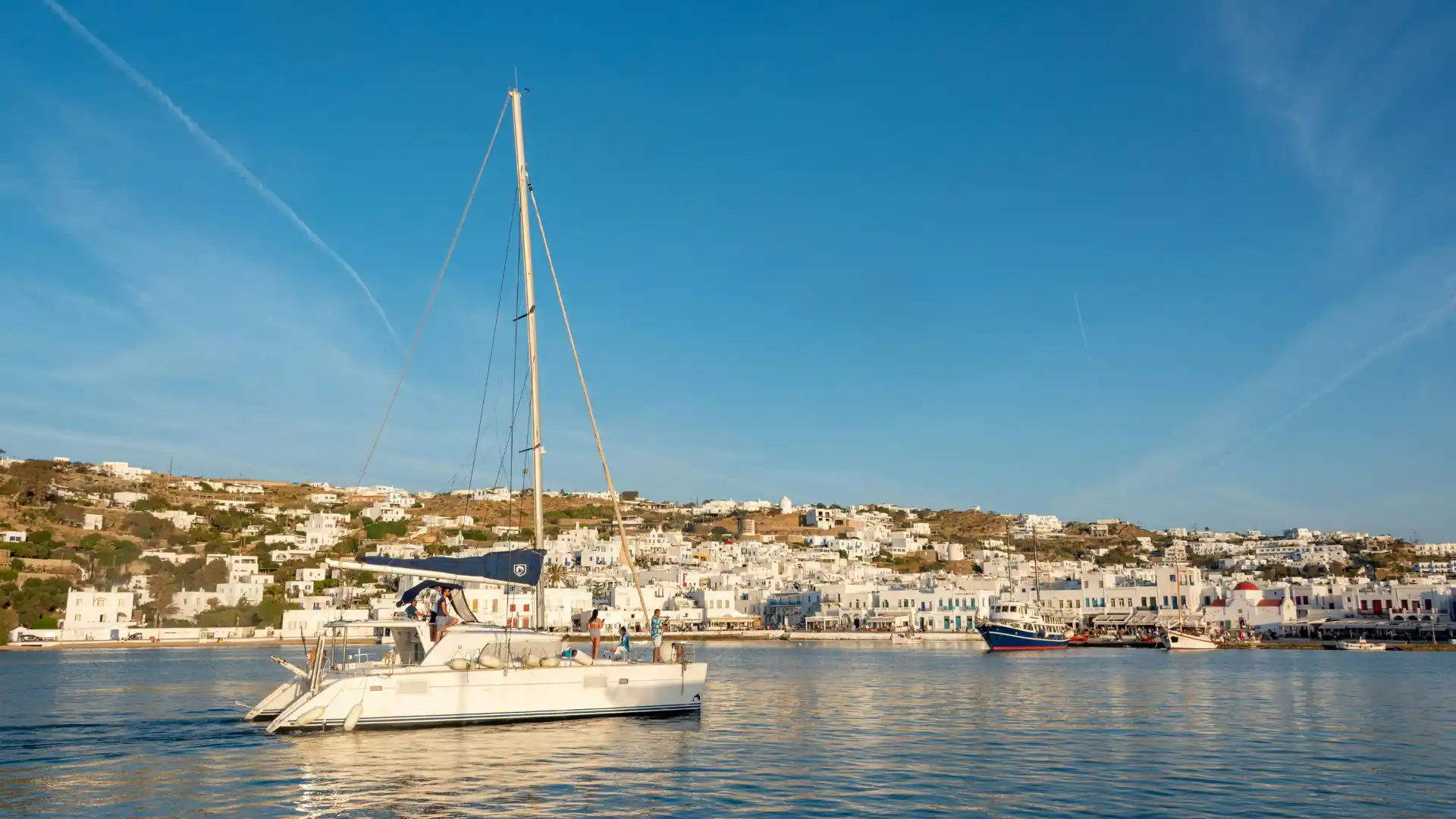
Seeing Santorini from the water offers a perspective no clifftop view can match. A catamaran cruise takes you along the base of the caldera cliffs, past the volcanic islands, and into coves only reachable by sea. Most half-day and full-day tours include snorkelling stops, a swim at Red and White Beach, and a barbecue lunch on board. Sunset catamaran tours are among the most popular experiences on the island - the silhouette of Oia's village lit in golden light from the water is genuinely unforgettable.
Book in advance during peak season, as the best operators sell out weeks ahead.
Soak in the Views at Fira
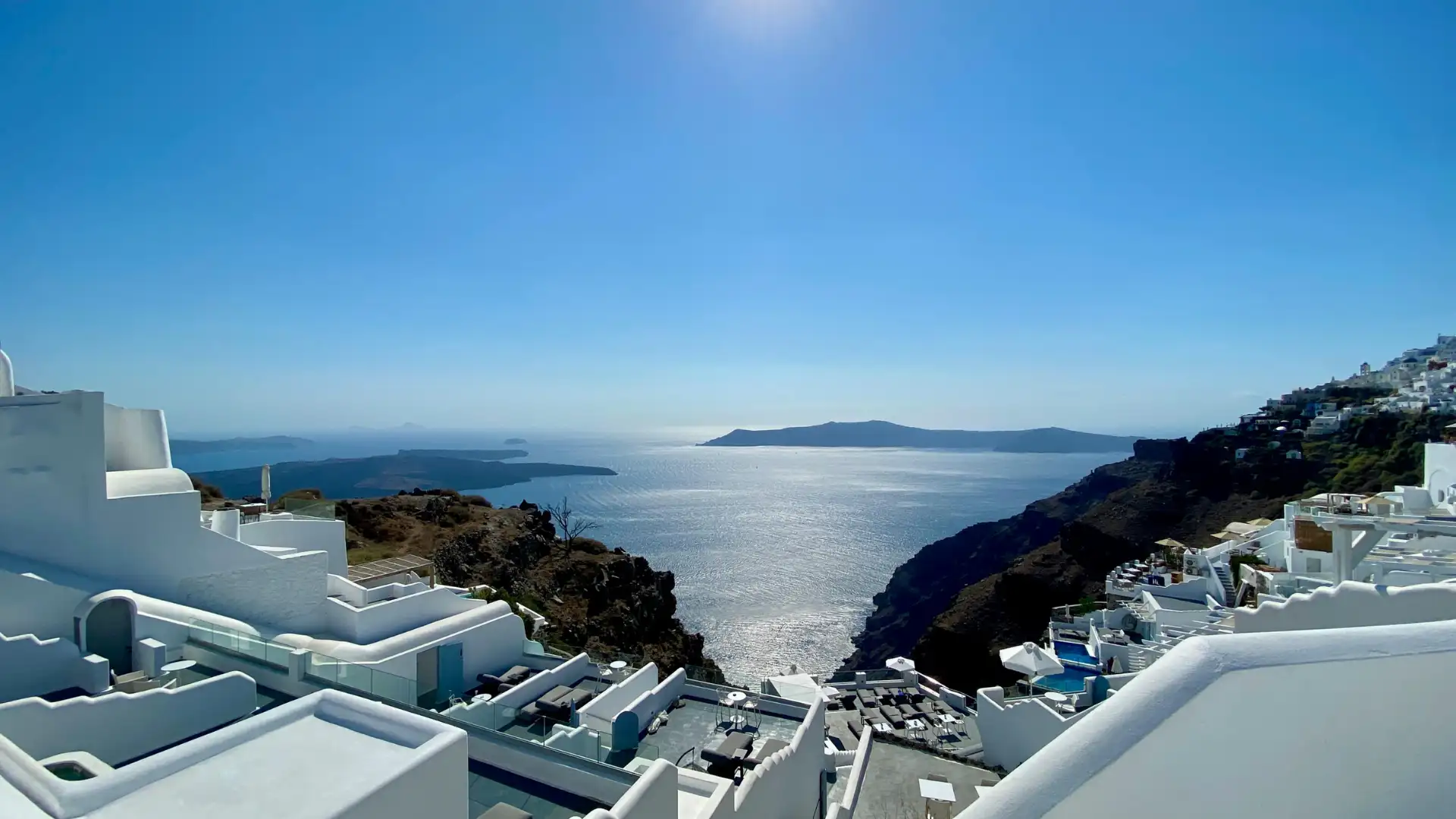
Santorini's busy capital sits dramatically on the caldera rim and rewards an unhurried visit beyond its cafés and shops. Walk the cliff-edge path northward toward Firostefani for some of the island's best free views, or take the cable car down to the old port and back up for a different perspective on the towering cliffs. The Fira-to-Imerovigli stretch of the caldera path - quieter than central Fira - offers exceptional sunset views with far smaller crowds than Oia.
Hike around the active volcano
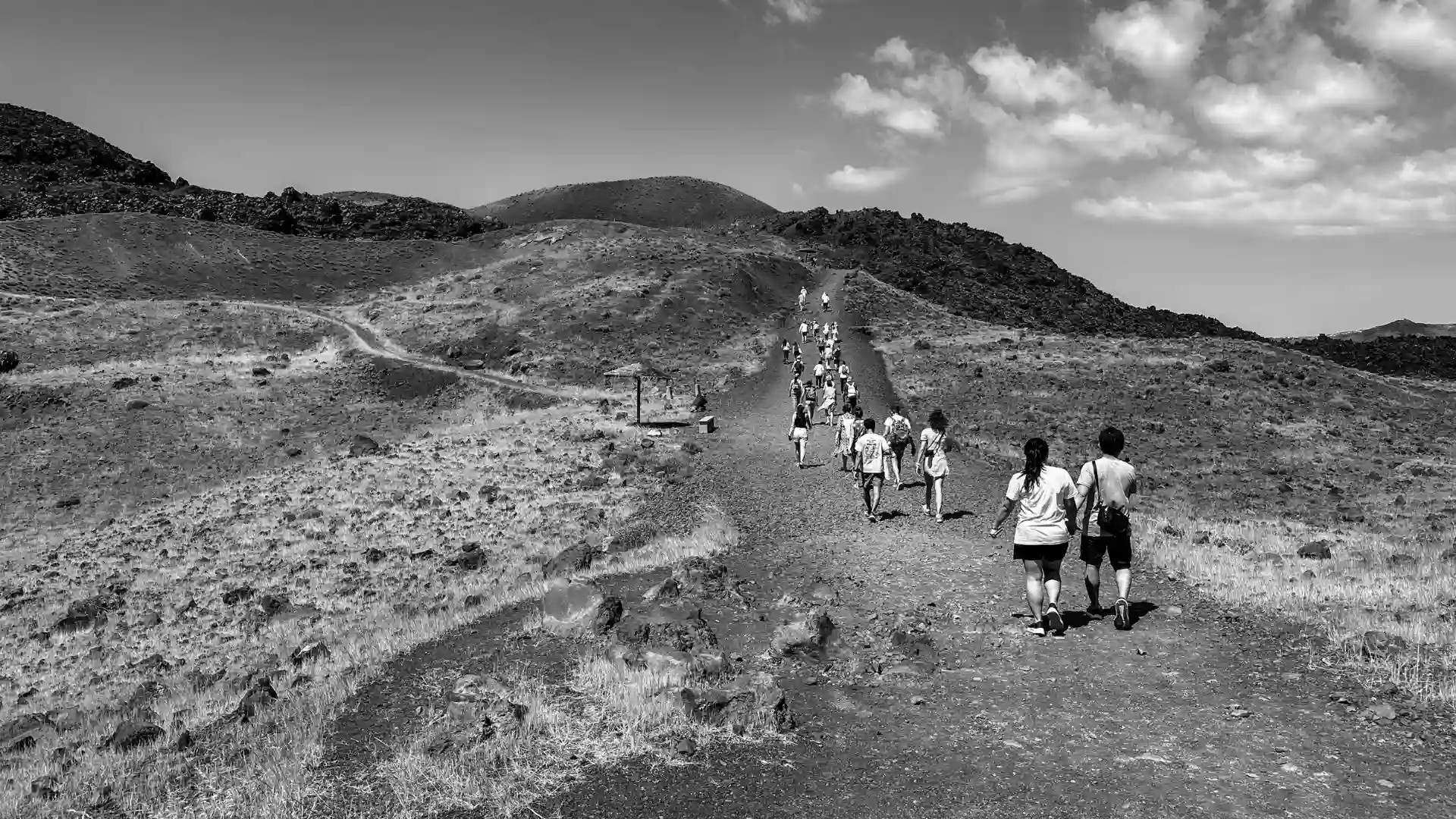
Beyond the main crater hike on Nea Kameni, the caldera's wider volcanic landscape warrants deeper exploration. The trail to the summit of Nea Kameni takes around 30-40 minutes from the boat landing and passes through fields of hardened black lava, sulphurous vents, and rust-coloured rock formations. On a clear day, the views back toward Fira and Oia from the crater rim are among the most dramatic on any Aegean island. Wear sturdy shoes and bring water - the exposed lava terrain is rough and the sun unrelenting in summer.
Visit Santorini's museums
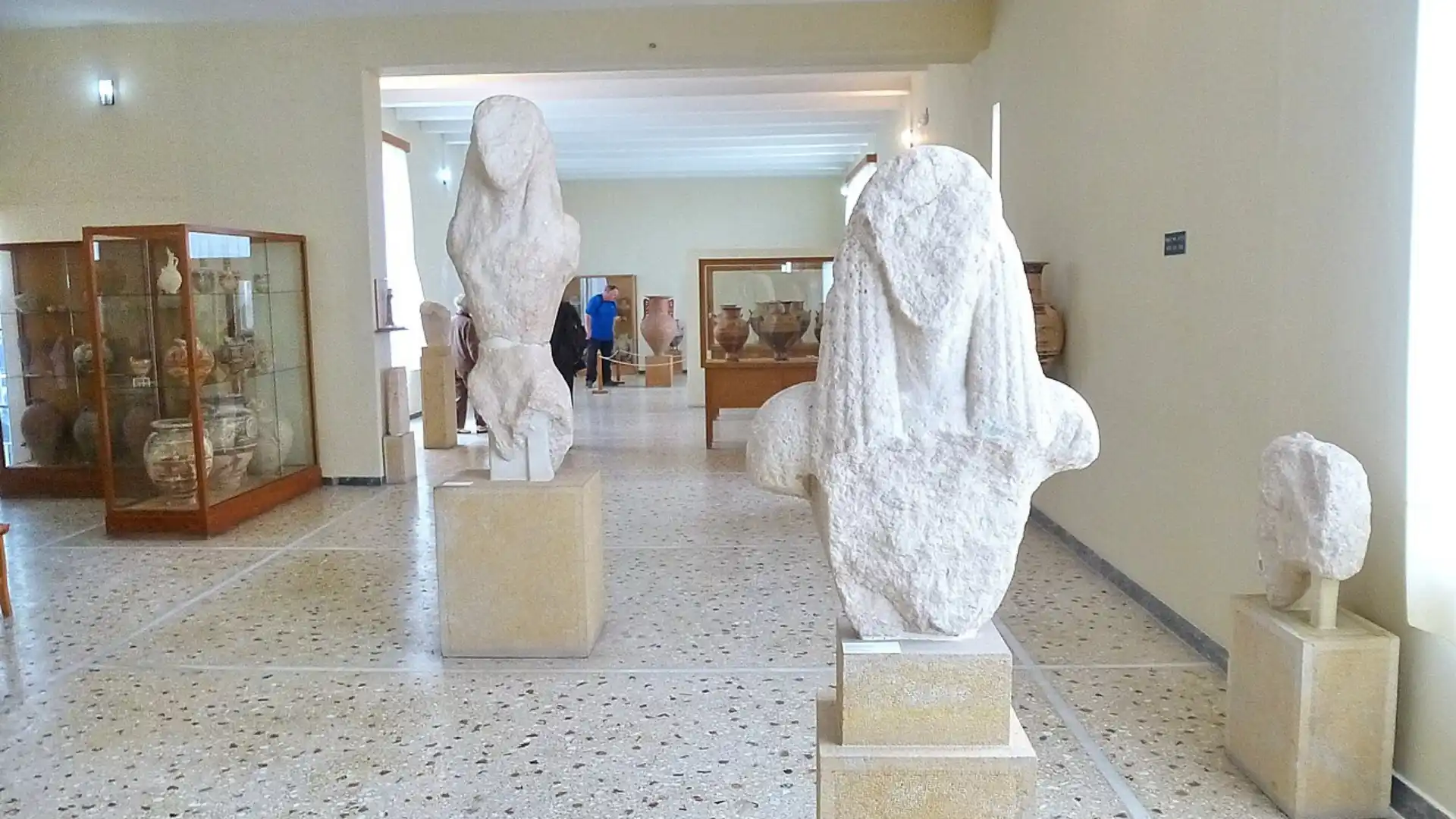
Santorini's museum offering is modest but genuinely rewarding for history enthusiasts. The Museum of Prehistoric Thera in Fira houses an outstanding collection of artefacts from the Akrotiri excavations - including original frescoes, ceramics, and everyday objects from the Bronze Age settlement - and is one of the finest prehistoric museums in Greece. The Archaeological Museum of Thera, also in Fira, covers the island's history from the Archaic through Roman periods. Both are compact and easily visited in a morning, making them a natural pairing with the Akrotiri site itself.
Walk around the Pyrgos village
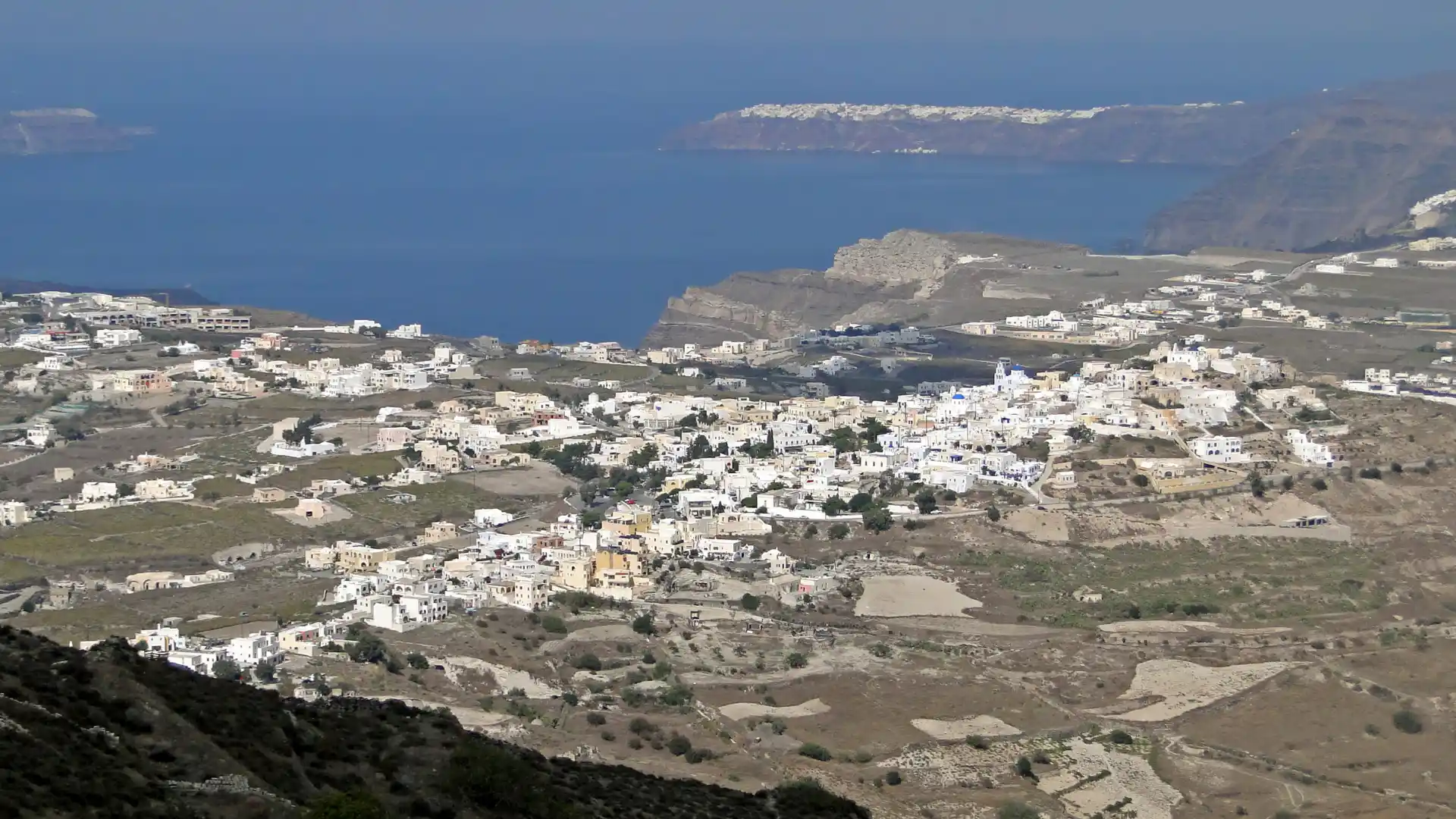
Pyrgos is the highest point on Santorini and one of its most rewarding and least-visited destinations. The medieval village climbs to a ruined Venetian kastro at its summit, offering sweeping 360° views across the entire island - a rare vantage point that takes in both the caldera and the Aegean on the opposite side. The lanes are authentic and largely free of souvenir shops, and several excellent local tavernas make it one of the best lunch stops away from the tourist trail. Visit around sunset for a quieter - and equally spectacular - alternative to Oia.
Why Pyrgos village is unique:
Highest village in Santorini - Best panoramic views of the island and caldera.
Quiet and authentic - Less crowded than Oia or Fira, more traditional feel.
Medieval streets - Narrow alleys with classic Cycladic architecture.
Venetian castle ruins - Great sunset viewpoint at the top.
Wine heritage - Surrounded by vineyards and local wineries.
Head to the stunning Santorini beaches
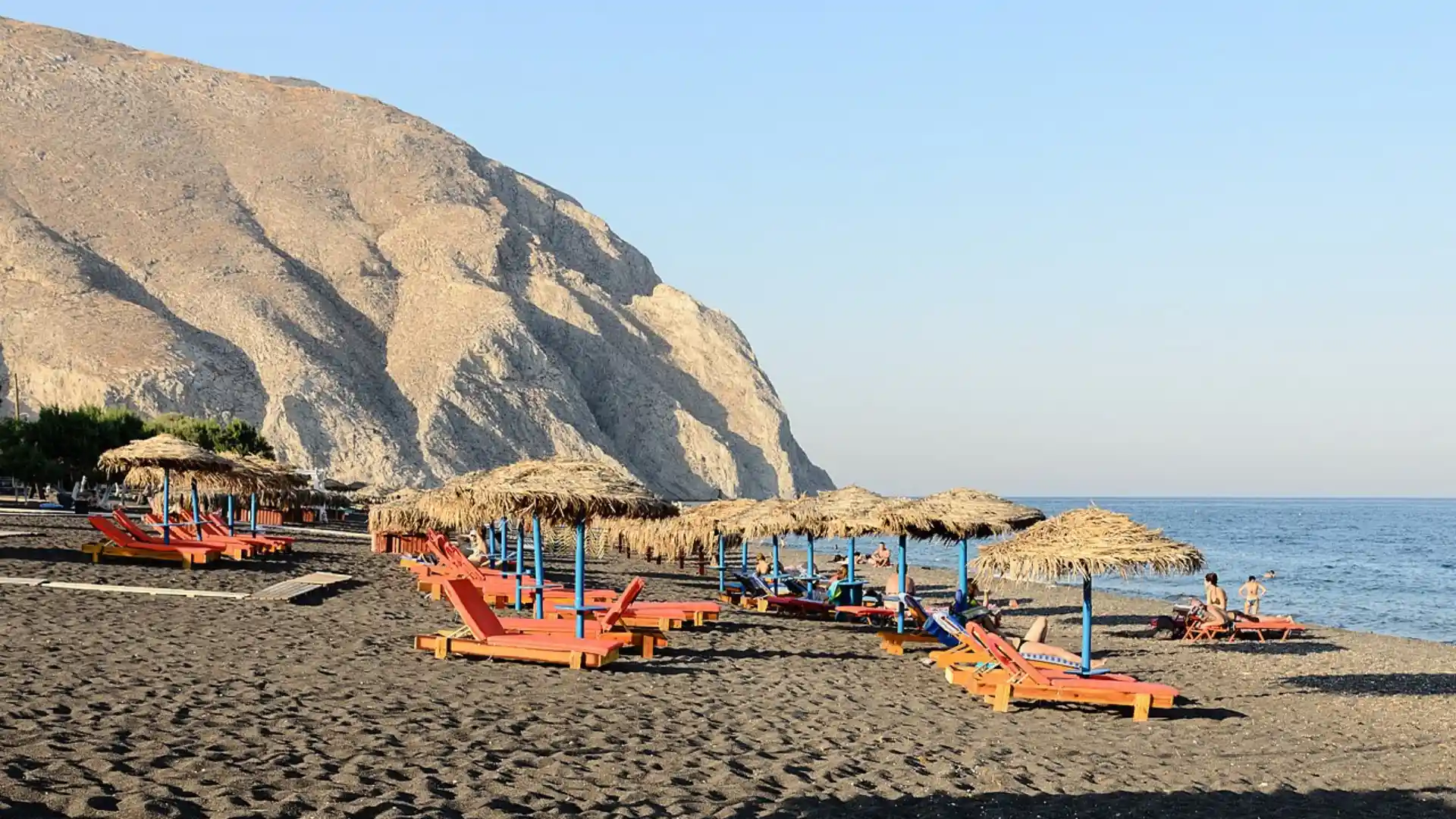
Santorini's volcanic origins give it beaches unlike anywhere else in the Mediterranean. The most accessible are Kamari and Perissa - both long stretches of distinctive black sand with clear water, sunbeds, and a good range of tavernas and beach clubs. Red Beach, near Akrotiri, is the island's most photographed shoreline, with towering rust-red cliffs dropping to turquoise water (important note here: a short hike over rocky terrain is required to reach it). For something more secluded, White Beach and Vlychada are worth the extra effort - the lunar cliff formations at Vlychada in particular are unlike anything else on the island.
What are the Top 10 Santorini Beaches You Cannot Miss?
Santorini's beaches are unlike any in the Caribbean or Southeast Asia. Forged by volcanic activity over millennia, they come in dramatic shades of black, red, and white - each with its own distinct character.
Red Beach (Kokkini Paralia) - Red cliffs, turquoise water. Short hike access.
Perissa Beach - Longest black sand beach with cafés and watersports.
Kamari Beach - Family-friendly with clear waters and a lively promenade.
White Beach (Aspri Paralia) - Secluded white cliffs, reached by boat.
Vlychada Beach - Lunar cliffs and a quiet, surreal setting.
Amoudi Bay - Rock diving and fresh seafood by the harbour.
Perivolos Beach - Beach clubs, sunbeds, and a lively vibe.
Monolithos Beach - Shallow, calm, and ideal for families.
Baxedes Beach - Quiet, windswept, and uncrowded.
Mesa Pigadia Beach - Remote, rugged, and peaceful.
Go cliff-jumping at Ammoudi Bay
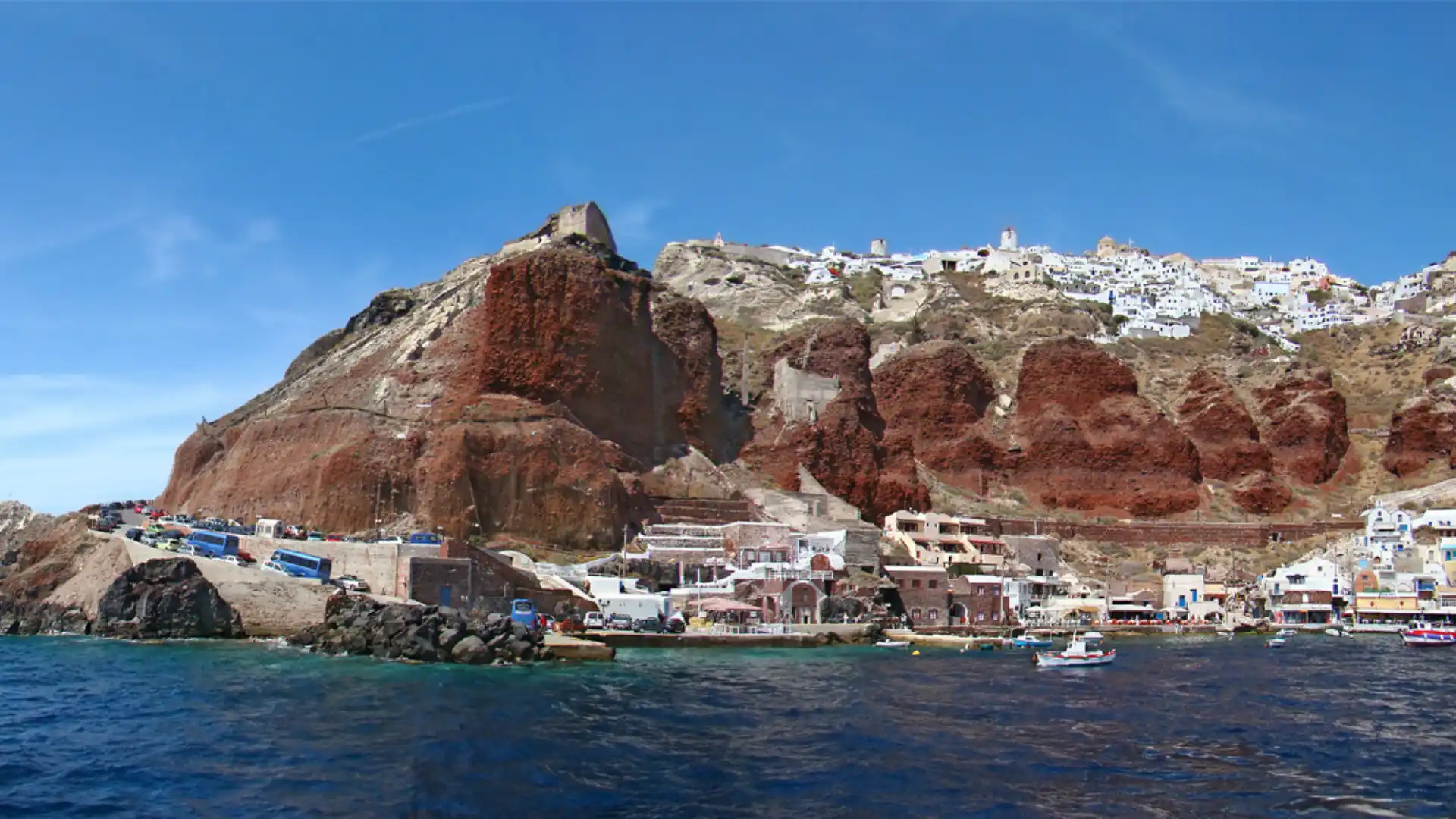
At the foot of 300 steps below Oia, tiny Ammoudi Bay is famous among locals and adventurous visitors alike for its cliff-jumping rocks. The natural platforms range from a couple of metres to well over five, making it accessible to most swimmers while still offering a genuine thrill. The water is clear, deep, and refreshingly cold. After jumping, settle into one of the waterfront fish taverns - the seafood here, much of it caught the same day, is some of the finest on the island.
Go scuba diving in Santorini
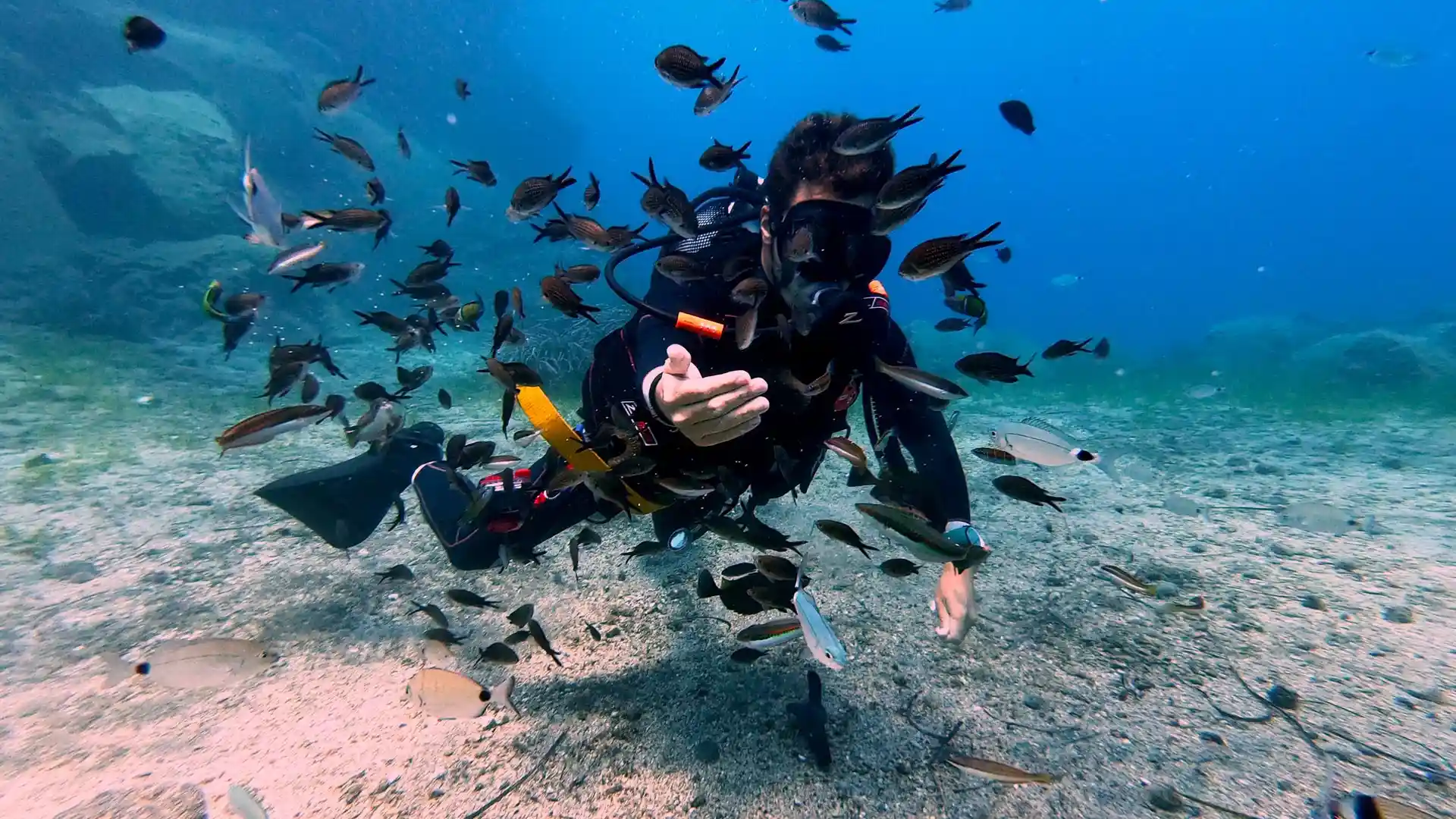
The volcanic seabed around Santorini makes for some of the most unusual diving in the Aegean. Lava formations, underwater hot springs, sea caves, and dramatic drop-offs create a landscape that feels as otherworldly below the water as the island does above it. Several dive centres operate out of Kamari and Perissa, offering introductory dives for beginners as well as guided excursions for certified divers. Highlights include the submerged lava formations near Nea Kameni and the wreck of the Tug II near Kamari beach. (image reference: Santorini Scuba Academy)
Why dive in Santorini?
Clear, warm waters, mild currents, rich marine life, volcanic rock formations, and even shipwrecks make it great for both beginners and experienced divers. So, if you are travelling to Santorini, don't miss out the opportunity to enjoy some refreshing scuba diving hours.
Top scuba diving sites in Santorini:
If you love scuba diving sites and are planning a Santorini trip, then below are the top 5 scuba diving sites that you can choose from.
Kamari - beginner-friendly reef
Aspronisi - varied depths and marine life
Nea Kameni - wreck dives
Thirassia - deep reefs, large fish
Vlychada Beach - underwater museum
Go on a Boat Cruise

A boat cruise is one of the most versatile ways to experience Santorini, with options ranging from short caldera tours to full-day island circumnavigations. Half-day cruises typically cover the volcano, hot springs, and the coloured beaches. Full-day options add snorkelling stops, cliff-swimming, and a barbecue lunch on board. Private charters allow for a completely tailored itinerary. For those with limited time, even a two-hour evening cruise along the base of the caldera cliffs gives a perspective on the island's scale and drama that no land-based viewpoint can replicate.
Is it worth doing a boat tour in Santorini?
Seeing the beautiful Santorini altitudes and plateaus from the water offers a completely different perspective on villages, cliffs, and volcanic islands. Additionally, the experience would be even more pleasing if you book morning tours when the waters are calmer, the views are picturesque, and you can enjoy a nice time swimming as well.
What boat trips can you do from Santorini?
Below are some of the popular boat trips that are available on your Santorini tour:
Catamaran cruises (5-6 hrs): Swim/snorkel at Red & White Beaches + BBQ and drinks.
Volcano & hot springs (3 hrs): Hike the volcano, then swim in warm springs.
Private yacht tours: Custom, more luxurious, great for special occasions.
Sunset cruises: Any boat type, focused on watching the sunset.
Thirassia trips: Visit a quieter nearby island, often with volcano stops.
Try Local Dishes: Tomato Fritters, Fava & Fresh Seafood
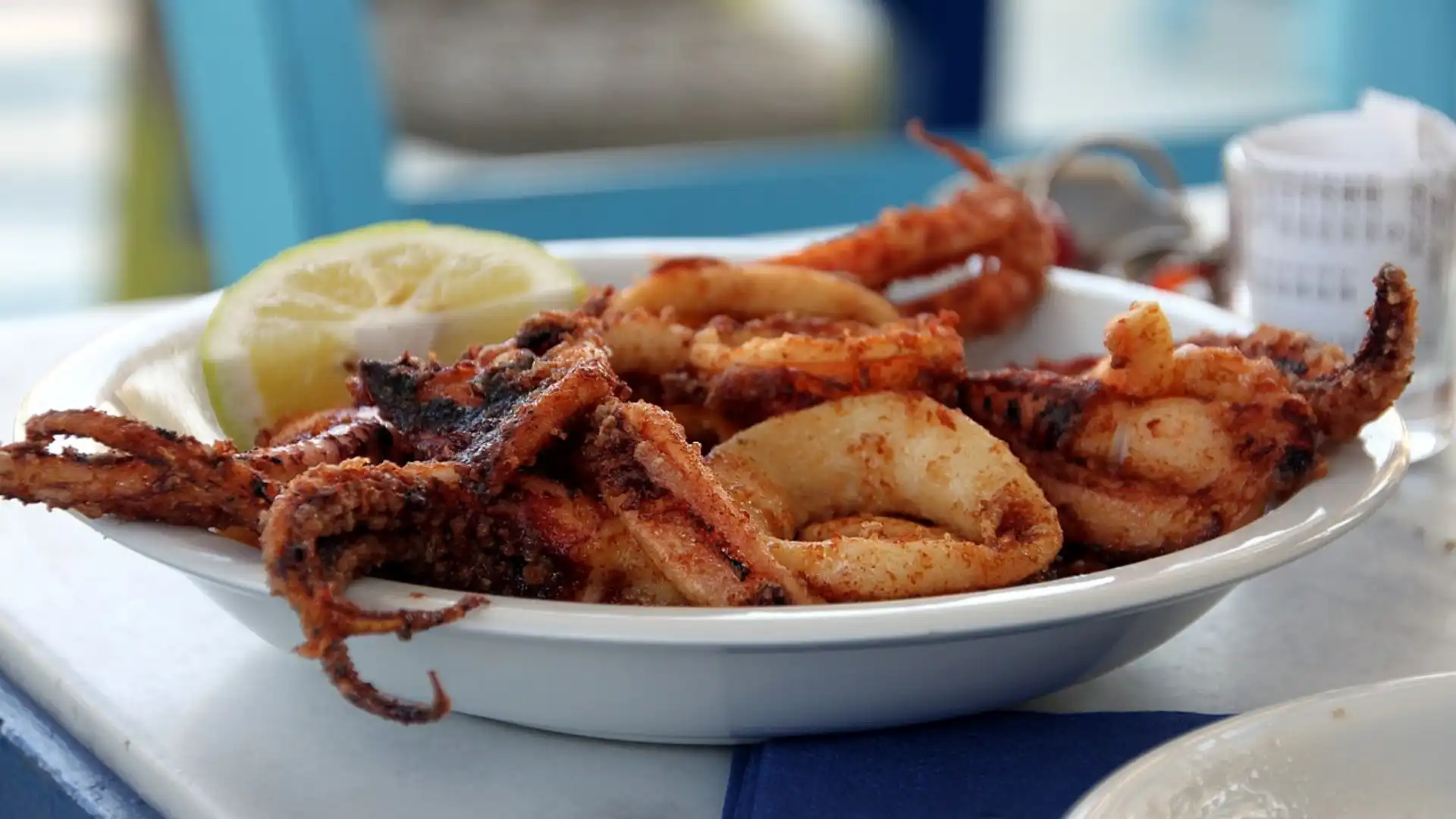
Santorini has its own distinct culinary identity, shaped by the volcanic soil and island isolation that long forced self-sufficiency. Tomatokeftedes - crispy tomato fritters made from the island's intensely flavoured cherry tomatoes - are the essential starter, found on almost every taverna menu. Fava, a silky yellow split-pea purée drizzled with olive oil and capers, is another island staple and far more complex in flavour than it sounds. Besides, of course, there is fresh seafood - grilled octopus, sea bream, and urchin roe - that is best eaten at a working harbour like Ammoudi Bay or Vlychada. Round off any meal with a small glass of Vinsanto, the island's amber dessert wine, for a proper Santorini send-off.
Best Restaurants in Santorini
Athenian House in Imerovigli - Has some of the best caldera and sunset views on Santorini. Be sure to book this a few months in advance.
Naoussa in Fira - Traditional Greek food on the northern end of Fira with a stunning view over the sea.
Elinikon in Oia - Specializing in shared dishes and meze platters, and one of the best views from any restaurant in Oia. Definitely book this in advance.
Panorama Balcony in Oia - Only one table in the restaurant and one seating per night between 8 - 11 pm. Book these ages in advance!
Ammoudi Fish Taverna in Ammoudi Bay - A slightly different view right by the water in Ammoudi Bay. The seafood is so fresh, mostly caught that very day.
How to reach Santorini from India?
There are no direct flights from India to Santorini, so travelers usually arrive on the island via a combination of international flights and either a short domestic connection or a cruise. The most common Delhi to Santorini flight route is:
Route: Delhi → Doha/Dubai/Istanbul/Frankfurt → Athens → Santorini
From Athens, you can either take a 45-minute domestic flight to Santorini (Thira Airport – JTR) or travel by ferry from Piraeus Port, which takes around 4-8 hours depending on the vessel.
Another popular and more scenic option is to include Santorini as part of a Greek cruise itinerary . Many Mediterranean cruises departing from Athens, Italy, or other European ports include Santorini as a stop, allowing travelers from India to experience the island as part of a larger cruise vacation across the Greek islands. This is a great option if you want a hassle-free experience that includes travel, accommodation, and island hopping.
Getaway to Santorini awaits
Santorini isn't just a destination - it's a sensory overload wrapped in whitewashed charm, volcanic drama, and sunsets that feel almost unreal. From wandering cliffside villages and diving into ancient ruins to sailing across the caldera and tasting wines born from lava soil, every moment here feels cinematic.
Whether you're hiking between Fira and Oia, floating in hot springs, or sharing fresh seafood by the water in Ammoudi Bay, Santorini has a way of slowing time while somehow making every second feel fuller.
So pack light, bring curiosity, and let the island do the rest - your Santorini escape is waiting, and it's every bit as spectacular as you've imagined (if not more).
Travel guides to other popular destinations:
Europe tour Caribbean tour Antarctica tour
FAQs on Top things to do in Santorini
Int2Cruises is Asia’s cruise-first online travel platform, offering seamless access to global cruise vacations across 25+ international cruise lines and 300+ destinations. Get real-time pricing, curated expertise, and end-to-end travel solutions facilitated by dedicated cruise experts on call or chat with 24/7 availability
Copyright © 2026 Interzign Travel and Technology Pte. Ltd.
All Rights Reserved